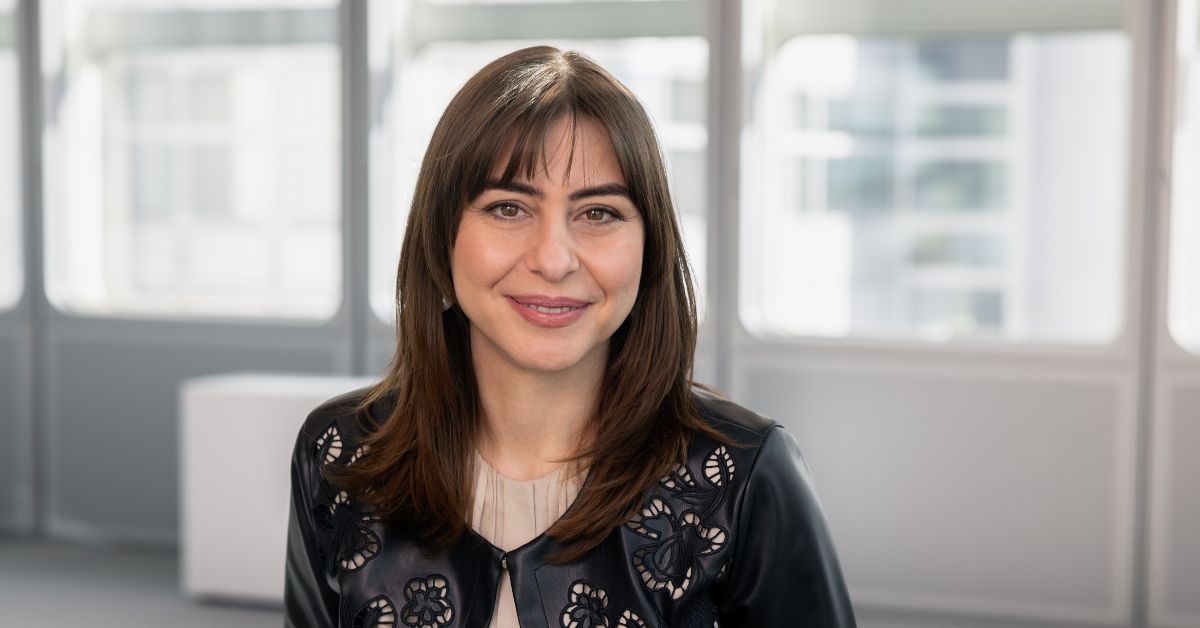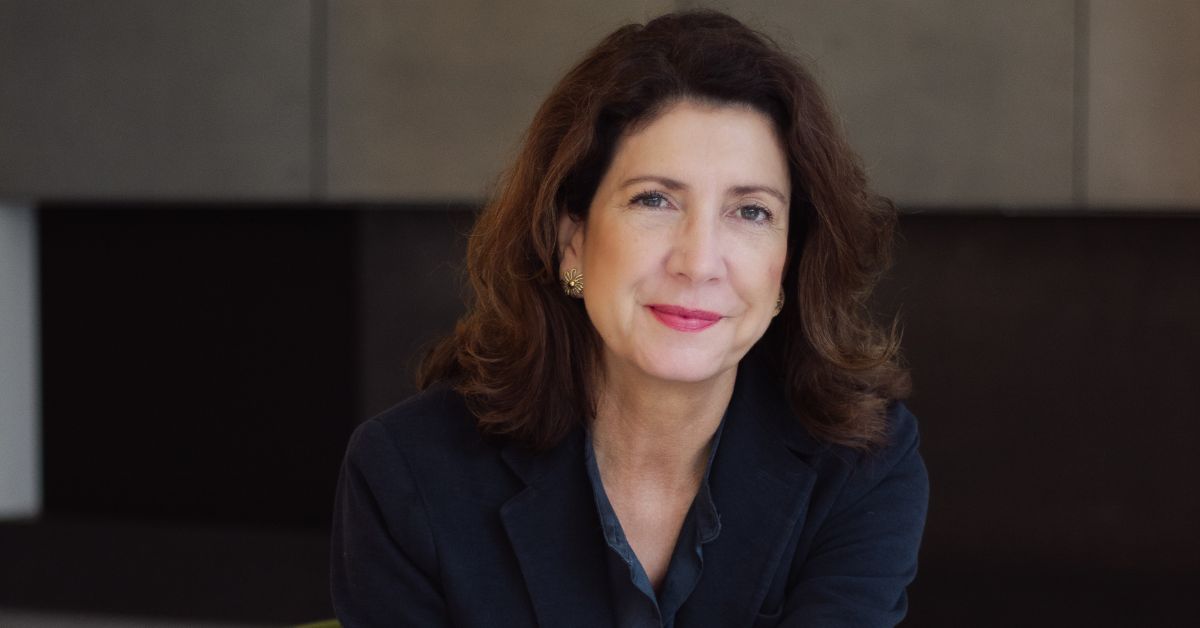
Human Resources Management: Ms. Lutz, you are the initiator of the Impact of Diversity Awards (IOD), which honors personalities and projects that promote diversity, equity and inclusion (DEI) in companies. What trends have you seen in submissions this year?
Barbara Lutz: AI and diversity was a clear trending topic among the submissions. Almost every third submission dealt with this. For example, Alicare (an outpatient care service, editor’s note) applied with a project that uses AI to cushion biases in their nursing care processes. It is imperative that so many diversity managers focus on AI transformation.
Why?
If we leave AI development to IT and finance, we will not have AI programs that are inclusive. Because then only the perspective of a certain group – mostly men with an affinity for numbers and technology – is taken into account. Instead, different perspectives should be included. Diversity managers now have the chance to participate in the programs and point out that the AI must be trained with data that has as little bias as possible. When I buy finished programs, they are usually biased by definition.
To what extent?
In recruiting, for example, AI systems could automatically sort out certain groups of people – such as those without CVs. Another example: When it comes to credit specifications, AI can disadvantage certain people. Once this has happened, it is incredibly difficult to readjust these programs.
What other key areas of DEI management have you noticed?
Democracy, education and attitude are also topics that many companies have dealt with. In my opinion, this has a lot to do with the political and social polarization that we are currently seeing in Germany. There is a clear awareness that we need to get back into dialogue and have sensible discussions with each other. Because this exchange of different opinions is what makes a democracy. Third, we see that more and more companies are addressing diversity structurally and systematically.
What exactly do you mean by that?
Diversity management is integrated into daily processes and further developed with numbers, data and facts. So it is less decoupled from the organization and more a part of it. The classic PR-driven diversity world, on the other hand, has declined.
Last year it had Pressure from US President Donald Trump on DEI management. Right-wing radical views are also becoming more popular in this country. At first, this was seen as a threat to DEI management.
That’s correct. And at one point or another it was. But it also eliminated style blooms. Companies that are serious about diversity continue to advance DEI management. Most have found ways not to have “one diversity department” but to anchor diversity management structurally in the company – i.e. to align processes accordingly in every department. At the same time, the past few months have shown that diversity measures have nothing to do with wokeness. We had some mixing before that I don’t see much anymore. Nevertheless, I believe that in many places this positive development was more of a realization from within the organization.
Why?
Over time, it has been noticed that companies spend a lot of money on measures that do not really have an impact on diversity goals. In times of economic crisis, when almost all companies have to save costs, we are looking closely here. The companies have clearly put the matter to the test: What has actual effects and what doesn’t work? We have been seeing this development since the beginning of the current economic crisis in 2023, but it has accelerated due to the debate in the USA.
So what was initially called a “DEI backlash” wasn’t so negative after all?
Questioning processes and programs always makes sense and often leads to streamlining and focusing. And it offers the opportunity to make processes fairer and more inclusive. According to our submissions, many companies and initiatives are currently thinking less in terms of ideologies and are much more pragmatic and results-oriented.
Where do you think DEI management in Germany could get even better?
What we often experience: There are fantastic personalities who try to advance the topic in companies. But they are lone fighters because they do not have the opportunity to anchor their work structurally, but are seen as an additional function that is somewhat external. They often put a lot of energy into their actions without having any lasting effect. Additionally, they need the support of the board, which sees DEI as part of the strategy.
Why can’t DEI managers achieve anything sustainable?
Because diversity is only taken into account in the company if the workforce is reminded of it by the diversity managers. If those responsible for diversity leave the company, the entire diversity management collapses. However, it would continue to operate if it was strategically anchored and became part of the company systems.
Where is there still room for improvement in DEI management?
Many diversity managers find it difficult to step out of their own role and have a lasting impact. They often focus on their own concerns and then build their work very strongly on one diversity focus. Instead, you should regularly ask yourself: Which communities are on our radar and which are we not? At the IOD, for example, we have a submission from the Asiacensus initiative, which deals with a group that has previously received little or no focus: the Asian diaspora in Germany. The group is relatively large and statistically totally underrepresented.
Info
Impact of Diversity Award ceremony
The Impact of Diversity Award honors companies’ special diversity concepts, inspiring initiatives and committed personalities in various categories. The award ceremony with a stage program will take place on July 2nd. The event offers DEI and HR managers, board members, managing directors and representatives of initiatives space for networking and exchange.
You can find more information here.


Lena Onderka is editorially responsible for the Employee Experience & Retention area – which also includes, for example, the topics of BGM and employee surveys. She also looks after the topic of diversity. She is also the editorial contact for the German Human Resources Summit and the HR Forum Banking.