


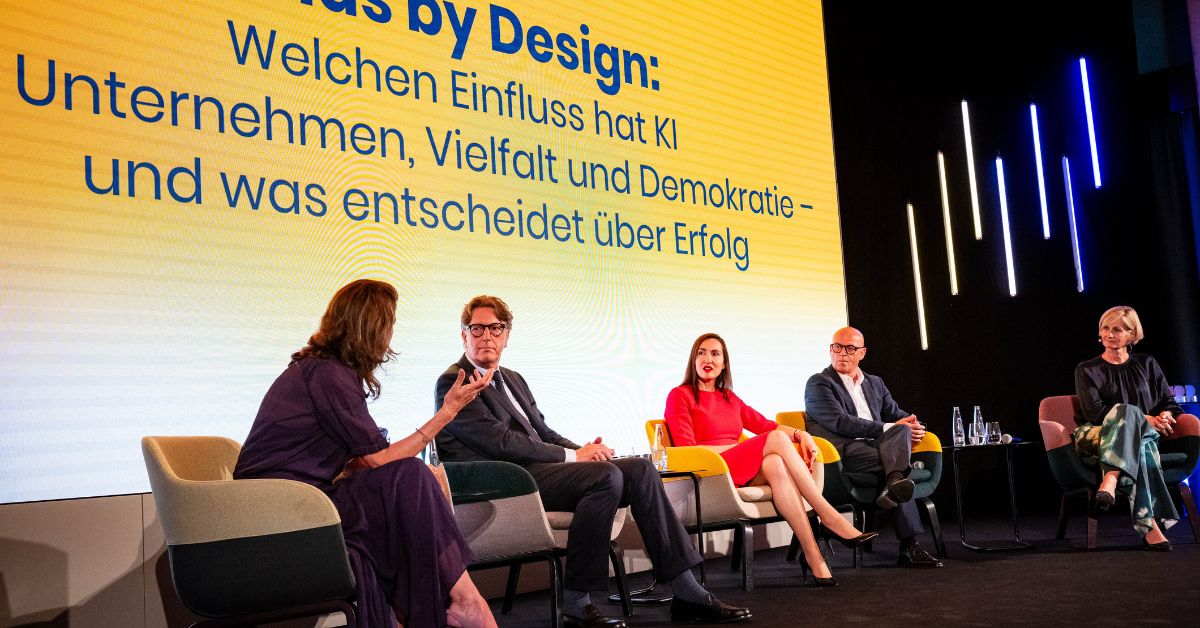
Times have been easier for promoting Diversity, Equity & Inclusion (DEI). However, despite the politically polarized climate in society, the rise of right-wing extremist views and less budget for DEI due to the economic crisis, many companies continue to pursue their DEI management with full vigor. For this reason, nine initiatives, people and corporate programs were honored at this year’s Impact of Diversity Award (IOD).
The award was presented at the beginning of July on the Accenture Campus in Munich in front of around 180 guests from business, politics and society. Barbara Lutz, initiator of the award ceremony and CEO of FKI Inclusion for Excellence, presented the awards. There were 112 submissions for the prize, which honors pioneering DEI projects and personalities for their work in the DEI area.
Diversity Management: Focus on AI and structural anchoring is growing
At the sixth IOD awards ceremony, the focus was primarily on the topic of AI. Numerous submissions addressed the questions: How do we ensure that unconscious bias does not continue in AI applications? What do we have to pay attention to here, for example, in AI-supported recruiting? At the same time, there was a trend towards addressing DEI more at a structural level. “This year’s awards show: Diversity management is increasingly structurally anchored,” says Lutz. “We see KPI-based solutions and visible commitment at board level.”
Three board members were recognized for their commitment at the IOD: Martin Seiler, Human Resources Director at Deutsche Bahn, received the special “Building Bridges” award. Stefan Wintels, CEO of KfW Bank, was named “Diversity Ambassador”. This year, the title “Most Influential Woman” went to Julia Japec, CEO of the IT service provider Atruvia. The board members told the human resources industry why they are committed to DEI, what challenges they encounter and what their biggest learnings were.
Info
The winners of the Impact of Diversity Award 2026
|
Category |
Prize winner/prize winner |
|
Most Influential Woman |
Julia Japec, CEO of Atruvia |
|
Gender Inclusion |
HeyParents – parental leave as a lever for gender equality |
|
Ethnicity & Social Inclusion |
Black Entertainment Network – GSA (BEN-GSA) |
|
Inclusive Work & Culture |
Inclusive Recruiting @ RWE AG |
|
Contribution to LGBTQIA+ |
Sören Landmann-Korsten |
|
DEI Innovation & Education |
Railway trainees against hatred and violence (Deutsche Bahn AG) |
|
Diversity Ambassador |
Stefan Wintels, CEO of KfW |
|
Audience Award |
The power of neurodiversity! (Dr. Simone Dogu) |
|
Building Bridges – Special Award |
Martin Seiler, Head of Human Resources and Legal Affairs, Deutsche Bahn AG |
Martin Seiler, Head of Human Resources and Legal Affairs at Deutsche Bahn

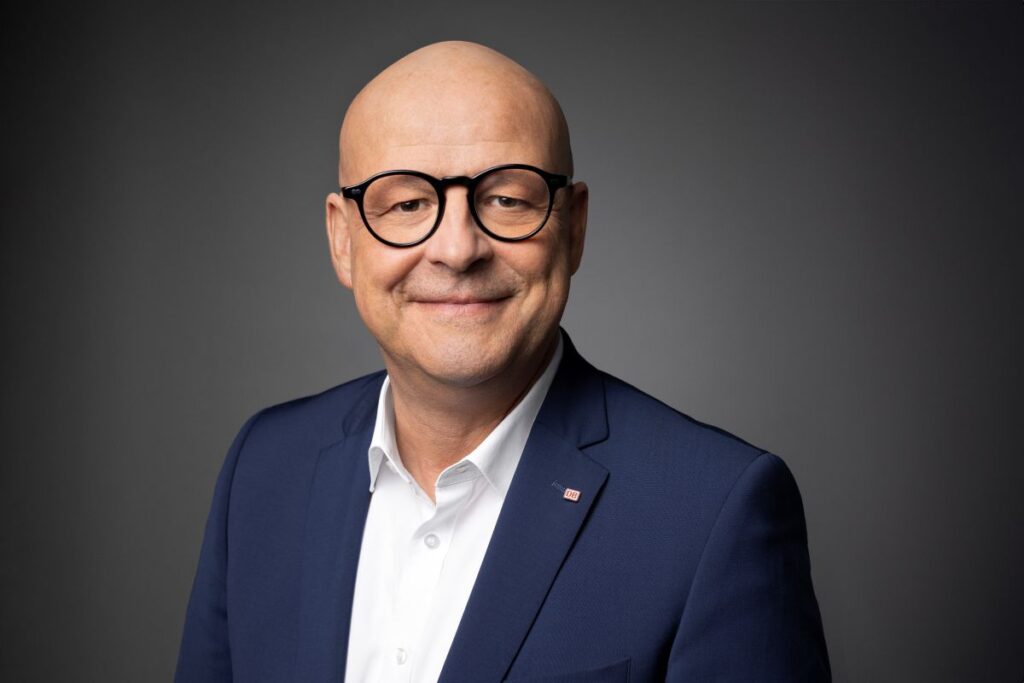
Human Resources Management: Mr. Seiler, why are you committed to Diversity, Equity & Inclusion?
Martin Seiler: I am committed to diversity because it is the basis for performance, good decisions and cohesion. Furthermore, fair participation is a question of justice. People with different realities work at Deutsche Bahn. If everyone can contribute their strengths, sustainable corporate success is achieved.
What challenges do companies face when implementing DEI?
The challenge is to effectively implement diversity in the company – in leadership, processes and in everyday work. This requires clear responsibility, participation and persistence. It is crucial that diversity is not just formulated as a goal, but is reflected in decisions and daily actions.
What are your personal learnings regarding DEI?
Diversity cannot be prescribed – it is there. What is crucial is whether we create conditions in which different people can work together successfully and contribute their skills and perspectives. In transformation processes, I have learned to include different experiences early on.
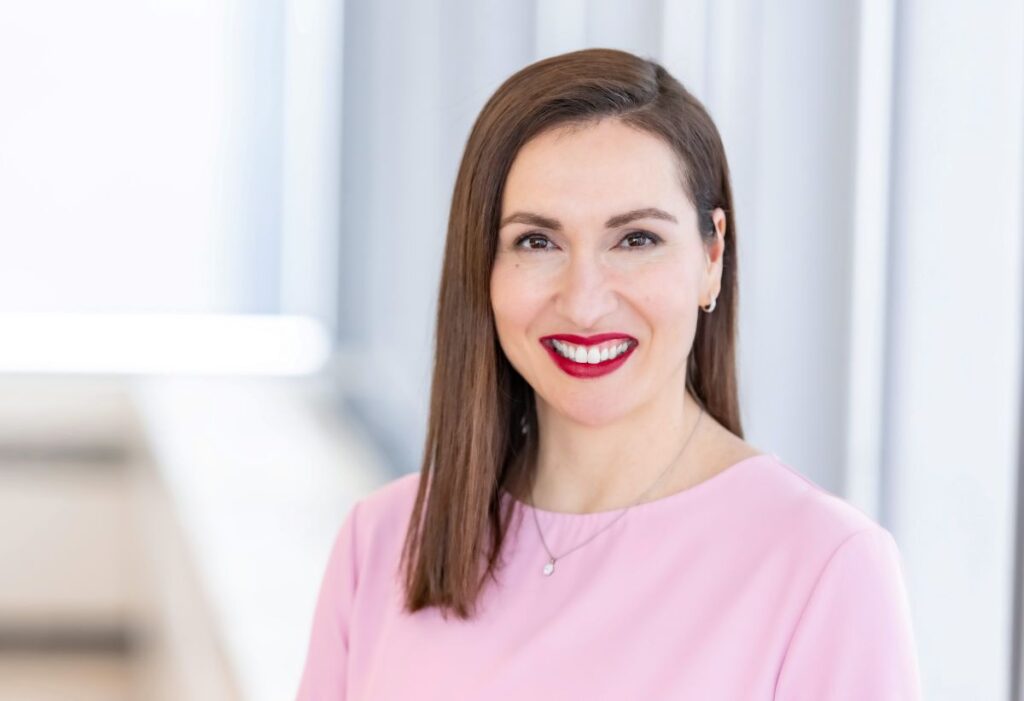
Julia Japec, Board Member for Customer Success at Atruvia
Human Resources: Ms. Japec, why are you committed to Diversity, Equity & Inclusion?
Julia Japec: With influence comes responsibility. As board member for the Customer Success department, I bear this responsibility towards our employees, but also towards our customers. The best results occur when different perspectives work together. And the best results are my goal.


What challenges do companies face when implementing DEI?
The biggest challenge is probably that many companies embrace diversity but do not consistently translate it into structures and processes. Diversity management is firmly anchored in our company, with clear responsibilities and a clear mission. As a tech partner in the financial sector, we also attach great importance to considering fairness directly in the development process of our solutions – this is particularly important in the context of AI in order not to consolidate existing biases, but rather to eliminate them.
What are your personal learnings regarding DEI?
I was born in Moldova and came to Germany as a girl. At some point I understood that it pays off to be brave and stick with it – in my case, performance prevailed. Later in my professional life, I realized that as a woman you have to prove yourself differently. That’s why visibility and mutual support are important to me, and I want to set an example of both myself. It’s not just about using your space at the table, but also about making the table bigger.
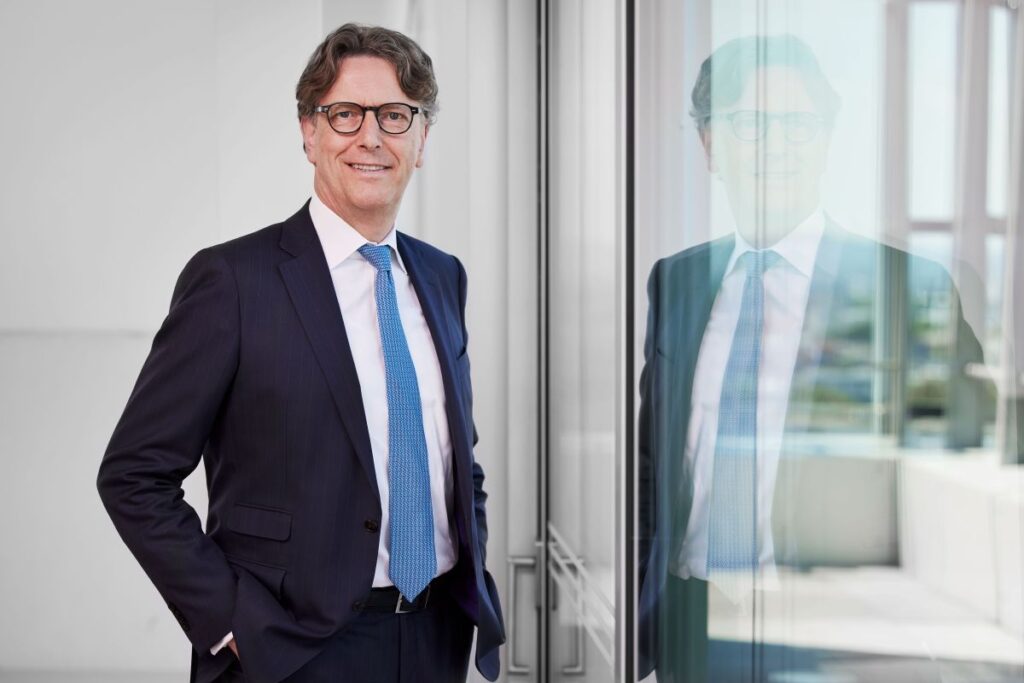
Stefan Wintels, CEO of KfW Bankengruppe
Human Resources: Mr. Wintels, why are you committed to Diversity, Equity & Inclusion?
Stefan Wintels: Strong companies stand on a solid foundation of democratic values. We promote democratic engagement through the “Charter of Democracy”, a network of primarily Hessian companies. And DEI creates belonging, protects against exclusion and is the prerequisite for people to contribute their ideas, take responsibility and develop their potential. Therefore, a clear commitment is not only a commitment to values, but also to a performance- and future-oriented corporate culture.
What challenges do companies face when implementing DEI?
When implementing DEI, companies often face entrenched structures, unconscious biases and concerns that debates could polarize. Our answer is a consistent, diverse offering: For example, we offer our employees livestream talks on inclusion, have launched the “Inclusion through the Bank” initiative together with other major banks, are now represented at Christopher Street Day for the fourth time and have firmly anchored a diversity KPI in our strategic target system for three years.
What are your personal learnings regarding DEI?
Personally, what shaped me most was my behavior as a manager and the experience that there is a big difference between words and actions. My main conclusion was that diversity is a matter for the boss and I have to set myself ambitious goals. A certain amount of positive pressure helps at one point or another, because every day we have to resolve conflicting goals and prioritize decisions. I also hope that I exemplify core values such as trust, respect and performance orientation and that I don’t expect anything from others that I don’t set for myself.


Lena Onderka is editorially responsible for the Employee Experience & Retention area – which also includes, for example, the topics of BGM and employee surveys. She also looks after the topic of diversity. She is also the editorial contact for the German Human Resources Summit and the HR Forum Banking.