The World Cup, which begins on Thursday, will be an issue in the workplace. But how closely can employees watch the games during their working hours? And what should HR regulate?
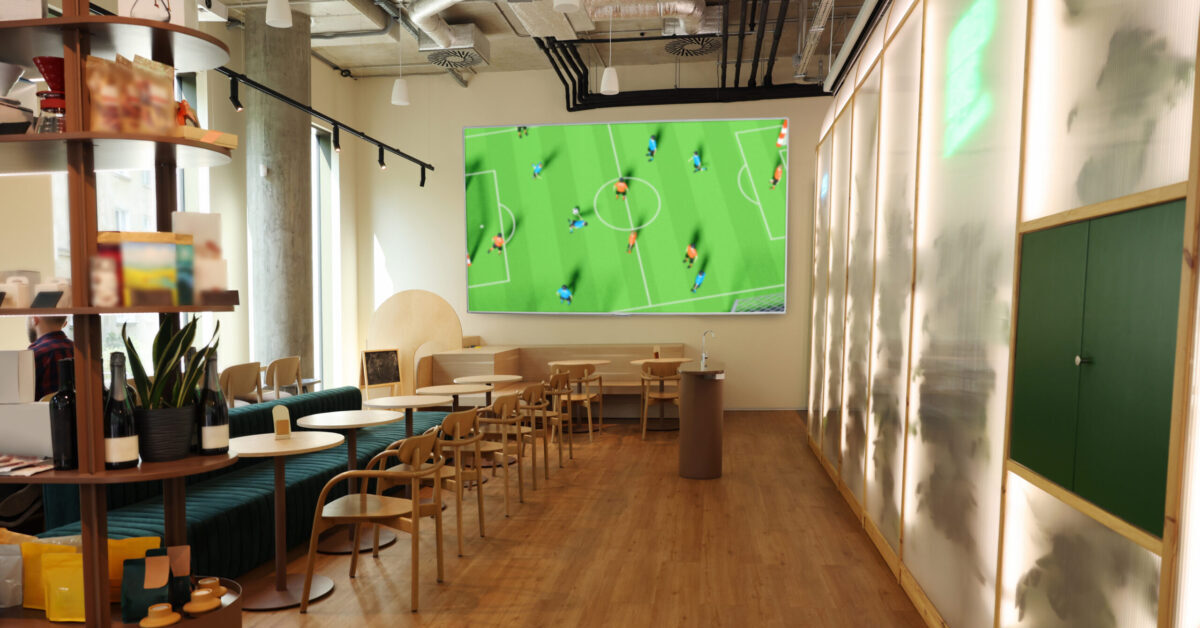
The World Cup begins this Thursday in the USA, Canada and Mexico. In many places, at least when the German team plays, there is a group “watching” together again – including in companies. What should please employers and most fans is that many games take place outside of their regular working hours – namely in the (later) evening hours or at night.
For the few exceptions (such as fans from Spain, the Czech Republic or the Netherlands, who, like Nagelsmann’s troops in the preliminary round, also have to play at 6 or 7 p.m.) as well as for employees who also have to work in the evening, companies should formulate clear rules for “World Cup consumption” at work. This is what labor law experts recommend.
No right to a football vacation
Employees do not have the right to watch football instead of working. Of course, employees can request vacation on match days (or after). However, this wish can be contradicted by urgent operational concerns such as high levels of sickness. There is also no legal right to unpaid (special) leave. On the contrary: vacation requests from other employees who deserve priority from a social perspective must be taken into account.
In addition, football fans have no guarantee that they will be given “spontaneous” time off for a particular game, i.e. at short notice. Companies that accommodate their employees here certainly increase the motivation of their employees.
According to the BAG, listening to the radio at work is generally ok
When it comes to the use of media during working hours, both employers and employees should exercise a sense of proportion: experts assume that a live broadcast on the radio that is running at the same time has no detrimental effects on the employees’ work performance. The Federal Labor Court also sees it that way. However, it should be ensured that this does not disturb other employees. In addition, a general radio ban is subject to co-determination (BAG, decision of January 14, 1986, Ref.: 1 ABR 75/83).
In departments with customer traffic, it is important to consider: While some customers appreciate the latest information about the score, those who are less enthusiastic about ball sports could feel put off by a live commentary in the background.
Be careful with television and live streams
The situation is different when employees – including those working from home – want to watch the World Cup on television or live stream during working hours. In any case, you need the consent of your employer. If you do another job during working hours, you can be warned and, if this happens again, you could even face dismissal. Ideally, there should be clear rules about what is allowed here too. Incidentally, an exception may apply to employees who are also allowed to watch television at work. But anyone who is obliged to follow a news channel cannot simply switch to the game.
Live tickers can be banned
In principle, employers can prohibit the use of so-called live tickers or legal (sic!) streaming offers on the Internet as part of their right to issue instructions/direction. But the same applies here: If the circumstances – i.e. workload and complexity of the job – allow this in the relevant area, a proverbial eye can be turned a blind eye. Otherwise, the following applies: (Private) Internet use during working hours should be regulated in principle and throughout the company.
The World Cup offers management and the human resources department a good opportunity to find a generally accepted regulation – if necessary together with the works council – and to avoid dissatisfaction among the workforce. This is particularly true if special regulations and deviations from normal working hours are to apply during the World Cup. Because they are generally subject to co-determination.
(The article first appeared in a similar form at BetriebsratsPraxis24 and here on June 8, 2021. It was last updated on June 9, 2026).