




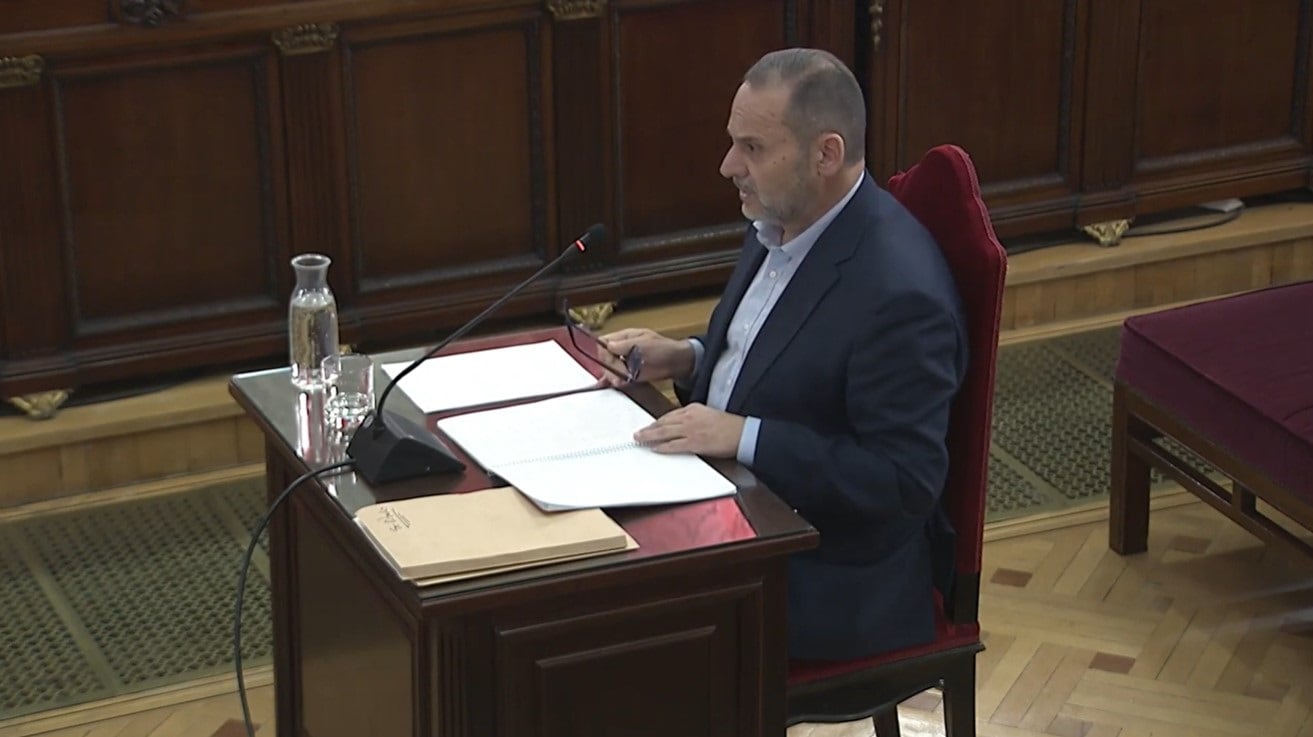
If the walls of the Plenary Hall of the Supreme Court could talk, they could give an account of disastrous episodes in Spain. There the appeals against the sentence of the attempted coup d’état of 23-F were heard and the kidnapping of Segundo Marey was judged – the first action attributed to the GAL – or the fight between the State and the independence leaders of the process. But, probably, until now, those walls, so clothed and solemn, had never witnessed a mixture of vaudeville and grotesque signs of public-private collusion like the one that has been narrated in the trial for the rigging of mask contracts during José Luis Ábalos’ time in the Ministry of Transportation. The Anti-Corruption prosecutor has asserted this in his final report when explaining why he demands such high penalties for Ábalos and Koldo García (24 and 19 and a half years in prison, respectively). “Political corruption is eating away at our democratic system and only a forceful reaction against it can stop it,” said Alejandro Luzón, who has tried to convince the court that the former minister, his advisor and the businessman Víctor de Aldama formed “a true criminal organization” whose objective was to obtain a benefit “under the cover of the position held by Ábalos.” The defenses of the former minister and his former advisor have requested acquittal and have criticized the lack of evidence against them, while that of Aldama has demanded a greater reduction in sentence and has defended the relevance of their collaboration.
Continue reading

