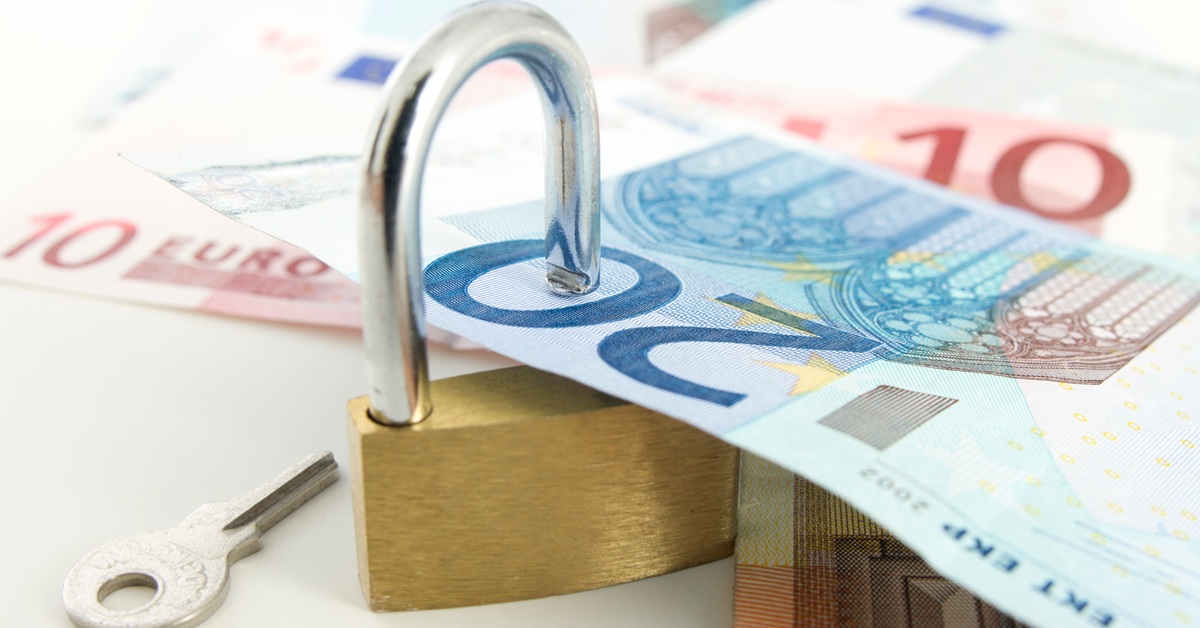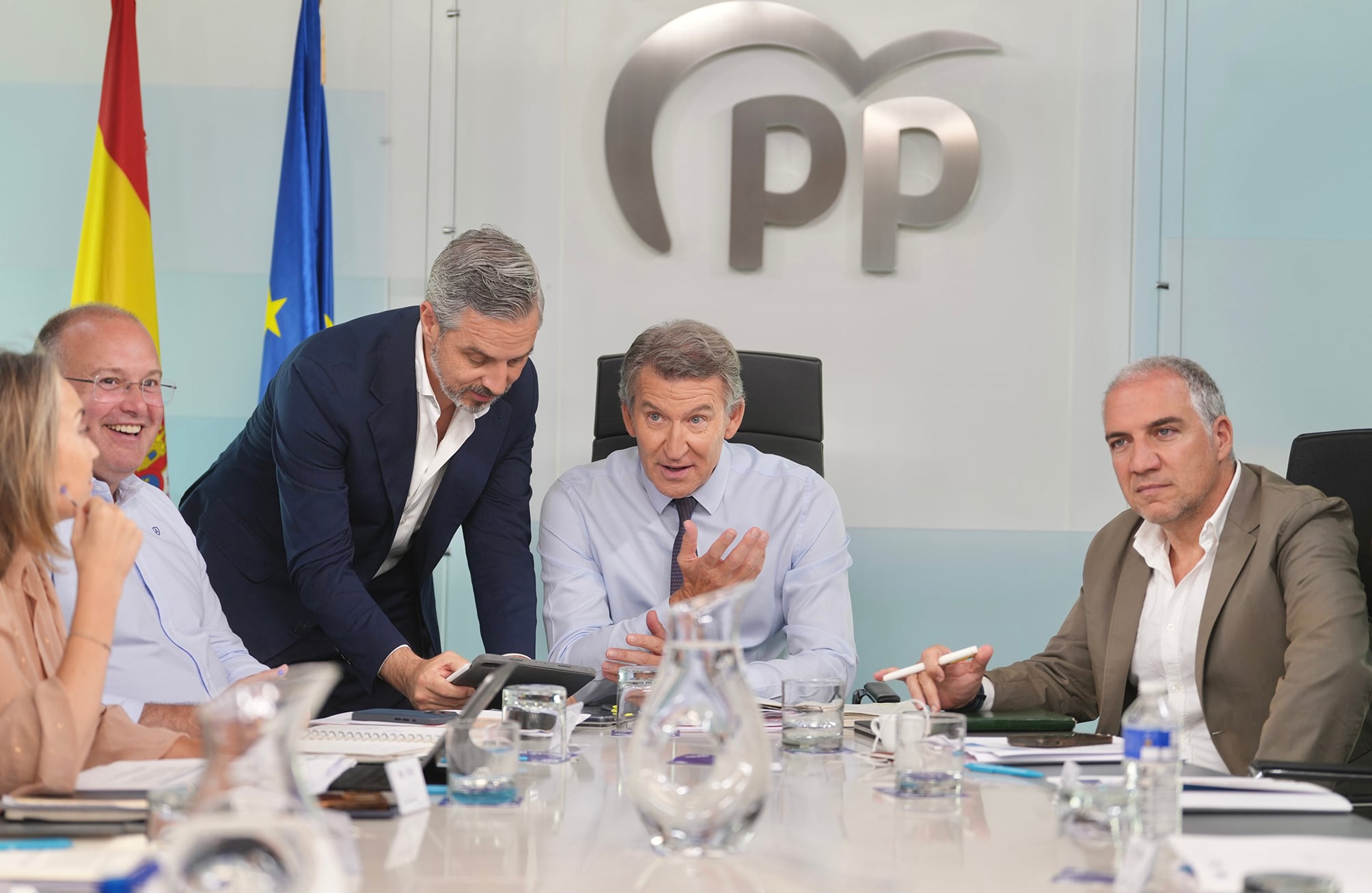




The black-red federal government has agreed on a relief package for employees. Among other things, companies can pay their employees a tax- and duty-free bonus of up to 1,000 euros in 2026. This emerges from a resolution paper that the CDU/CSU and SPD presented after two days of coalition negotiations. The background is the sharp increase in fuel prices as a result of the conflict between the USA and Iran, which has blocked the Strait of Hormuz since the end of February and is putting pressure on the energy markets in Europe. Vice Chancellor Lars Klingbeil (SPD) justified the package with the aim of “skimming excessive crisis profits and returning them to consumers”.
Another measure in the package is a temporary reduction in the energy tax on petrol and diesel by around 17 cents gross per liter for two months. Federal Labor Minister Bärbel Bas (SPD) puts the total relief volume at around 1.6 billion euros. The legal details of the relief package are still pending. The package is to be launched through an accelerated parliamentary procedure.
Voluntary, temporary, completely tax-free
The relief bonus is designed as a voluntary employer benefit. There is no obligation to pay. Since it is completely exempt from taxes and social security contributions, the gross amount corresponds to the net amount for the employees. This makes the instrument financially attractive for both sides compared to a regular salary increase: employees receive the full amount, employers save social security contributions.
The exact design is still pending, but should be based on the inflation compensation bonus from 2022 to 2024, under which employers were able to pay out up to 3,000 euros tax- and duty-free. At that time, the prerequisite for tax exemption was that the benefit was granted in addition to the wages that were already owed, i.e. it was neither offset against existing wage claims nor paid in place of future wage increases. Appropriate marking in the pay slip was also required. It is expected that the new relief bonus will work according to the same pattern.
Further relief planned
The relief bonus is not the only measure intended to relieve the financial burden on employees. The coalition also agreed on an income tax reform on January 1, 2027, which is intended to relieve the burden on small and medium income classes. CDU/CSU parliamentary group leader Steffen Bilger believes it is realistic that a concrete proposal will be available by the middle of 2026, which could then be implemented quickly.
How high the relief will be is still unclear. The coalition agreement does not provide any details about the future course of collective bargaining or concrete statements on how to compensate for the cold progression. There are substantive differences between the Union and the SPD: The SPD signals its willingness to raise the limit for the top tax rate to 80,000 euros, but in return demands a greater burden on very high incomes, which the Union rejects.
CSU leader Markus Söder made it clear at the press conference: “We know that what we have decided is just the start. It is far from enough to actually bring Germany a big step forward in the structural crisis in which it is economically. But it is a first step.”
Votes on the resolution
The resolutions are already being intensively discussed in politics, business and interest groups. Sepp Müller, deputy CDU/CSU parliamentary group leader, emphasized on Linkedin that the package addresses key recommendations of the coalition task force. Deadweight effects “such as those that have already been observed in other European countries” were consciously taken into account.
Verdi boss Frank Werneke (spelled ver.di) sees the energy tax reduction as “a first right step”, but sharply criticizes the overall design of the package. Making the planned bonus dependent on an employer is a completely flawed construction: “Many employees whose companies do not want to or cannot pay will therefore look down the drain and come away empty-handed,” says a press release
There is also criticism from employers, but with a different tone: Marie-Christine Ostermann, President of the “Family Entrepreneurs” association, calls the bonus a “contract at the expense of third parties, namely the companies”. They would have to generate the money first. The tax claim only works for winnings. She calls for the payment deadline to be extended until the end of 2027 so that companies can use the instrument sensibly.
Criticism of another measure in the relief package also comes from the Greens: party leader Franziska Brantner believes reducing the energy tax is the wrong approach. “The fuel discount was an expensive gift to the oil companies – not to the citizens,” she said, referring to the comparable measure from 2022.
Economists are similarly skeptical: DIW President Marcel Fratzscher judges that the measures “fall short and are even counterproductive in some cases”. A significant part of the relief is in danger of not reaching consumers, but instead ending up in the accounts of the oil companies. Ifo economist Joachim Ragnitz sees the package as “merely a redistribution of the costs caused by the energy price crisis” without solving the fundamental problem of increasing shortages.

Sven Frost is responsible for HR tech, which includes the areas of digitalization, HR software, time and access, SAP and outsourcing. He also writes about recruiting and employer branding. He continues to be responsible for the editorial planning of various special human resources publications.