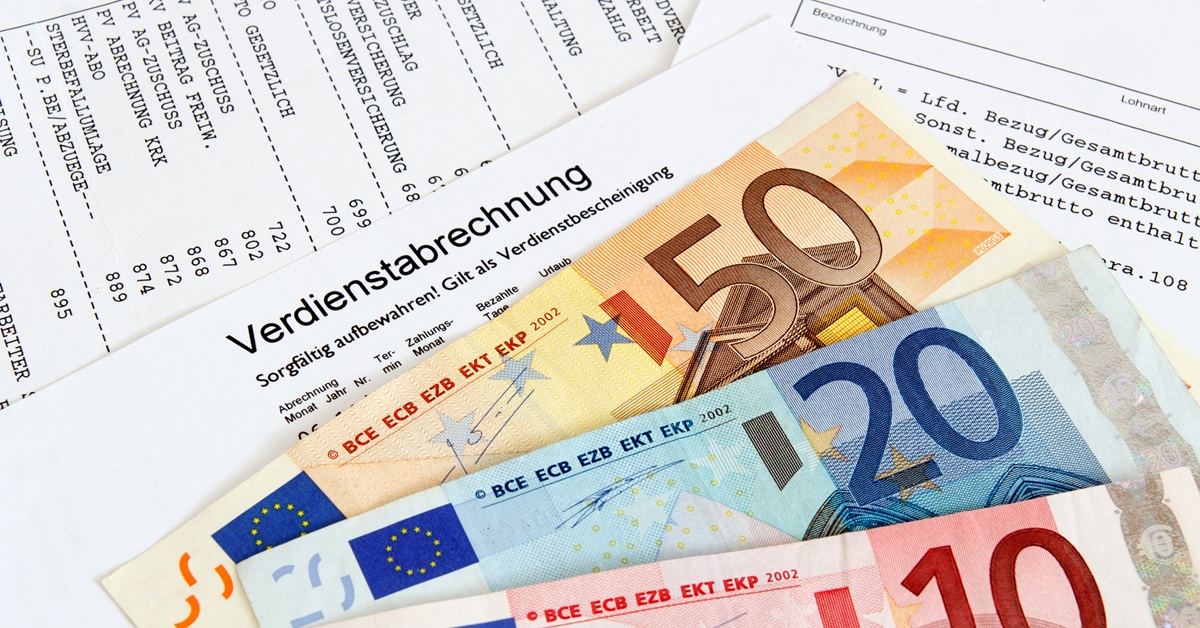

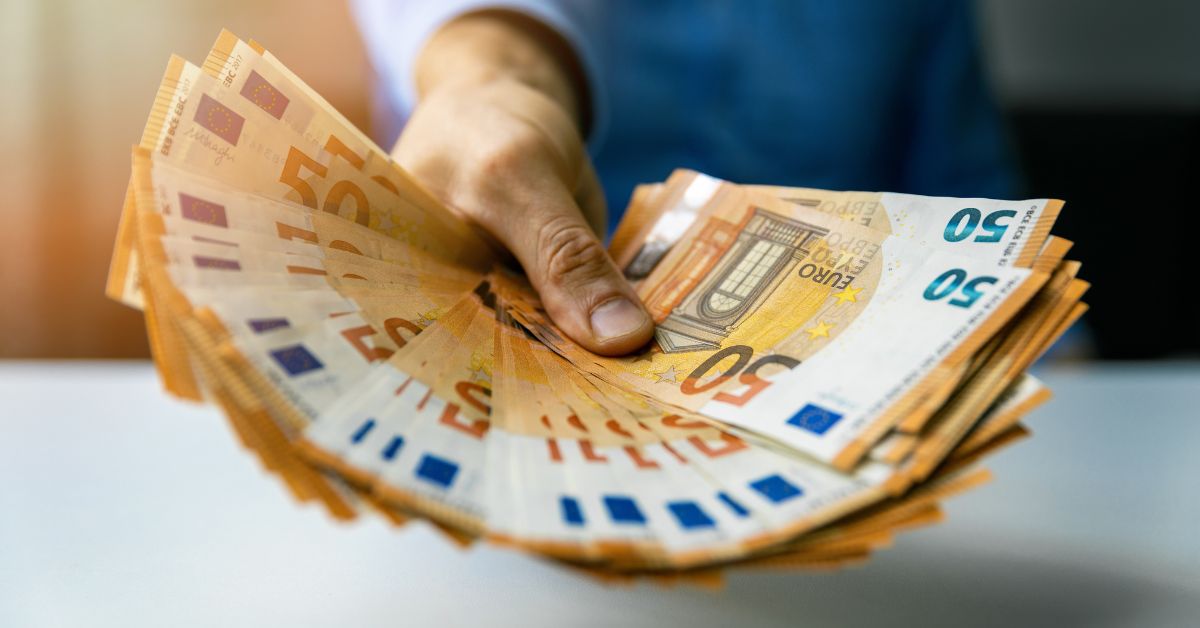
The bill didn’t add up. The 1,000 euro relief bonus was intended to support employees in times of crisis – instead, it is causing growing anger among those who are supposed to pay, the companies. The federal government is now extending the payment period by another six months. Employers can grant their employees the tax-free bonus until June 30, 2027; originally only the year 2026 was planned. The Bundestag is scheduled to vote on it on Wednesday.
Federal Finance Minister Lars Klingbeil (SPD) calculates that the bonus will result in reduced tax revenue of 2.8 billion euros. But the gap may be even larger: the extension would allow more companies to use the bonus. The actual failures would therefore be significantly higher than originally planned.
Relief bonus: „“It’s a matter for the state.”
The resistance from business is massive. A current survey by the German Trade Association (HDE) reveals the extent of the rejection: 83 percent of the companies surveyed see the payment as a state responsibility, not as an employer’s service. The survey was carried out from April 16 to 20, 2026, and a total of 436 trading companies from all over Germany responded.
HDE President Alexander von Preen finds clear words: „It cannot be the case that the state promises relief to citizens and then asks companies to pay for this from their budgets in addition to normal wages. That is simply dishonest. Anyone who buys has to pay.”
The black-red coalition decided on the premium in response to the price increases caused by the Iran war. But financing via employers – especially in economically tense times – remains the central point of contention.


Rebecca Scheibel is the online editorial director and responsible for the digital channels of human resources.