

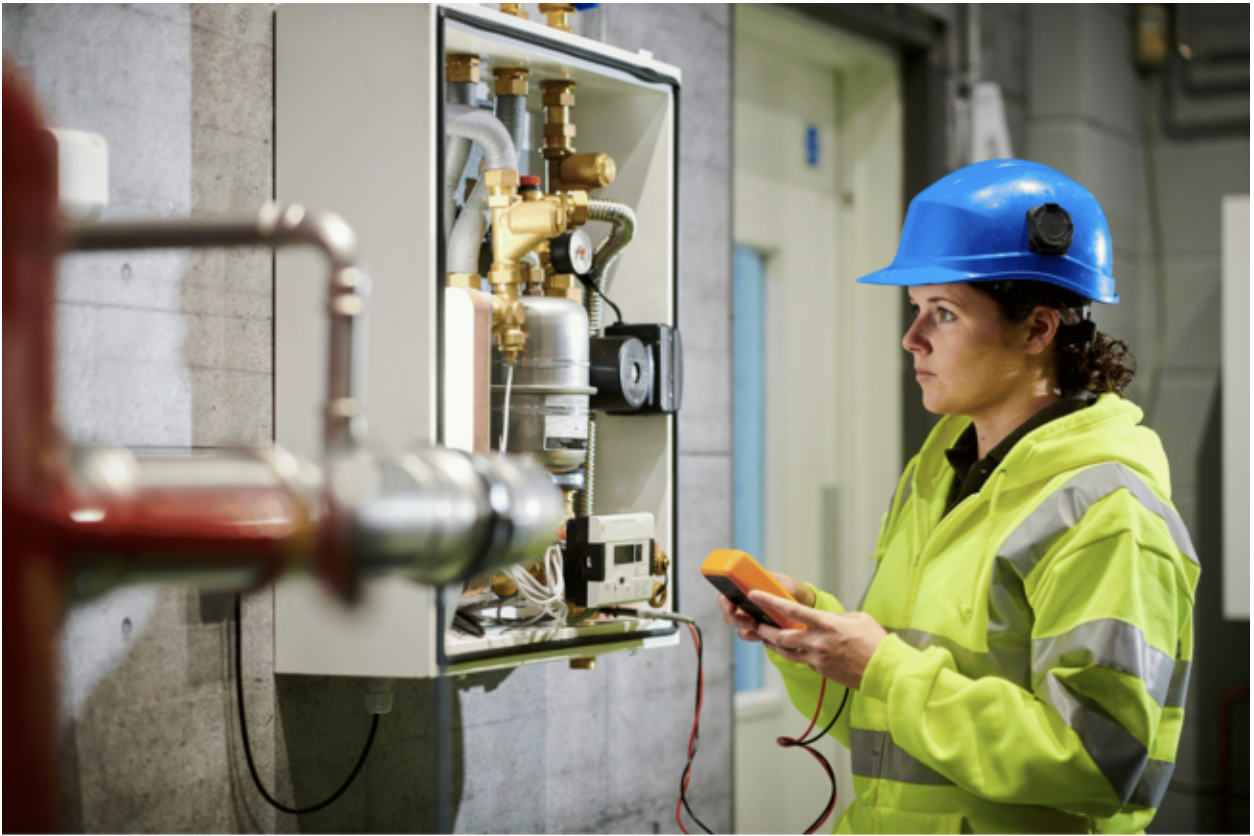
With rising reliance on electrical equipment across commercial settings, workplace safety and compliance continue to be central concerns for businesses.
In offices, retail units, warehouses and public facilities, PAT testing specialist Ray Brosnan, Managing Director of Brosnan Property Solutions, says there is a growing shift towards preventative maintenance and stronger operational resilience. He adds that regular Portable Appliance Testing (PAT) helps uncover electrical issues before they become serious, supporting the safe ongoing use of equipment.
Ray said: “PAT Testing is a practical way for organisations to reduce risk and maintain safer workplaces,” he explains. “Small faults can quickly develop into larger safety or operational issues if they are not identified early.”
Why PAT Testing Matters
PAT Testing involves the inspection and testing of portable electrical appliances to ensure they’re safe to operate. It forms part of a wider health and safety strategy for many commercial organisations.
Commonly tested items include:
- Desktop equipment
- Kitchen appliances
- Extension leads
- Power tools
- Portable heaters
- Charging equipment
Routine PAT checks can help businesses:
- Reduce the risk of electrical faults
- Improve workplace safety
- Minimise unexpected downtime
- Support insurance requirements
- Maintain compliance documentation
- Extend equipment lifespan
For businesses operating across multiple sites, structured testing programmes also improve visibility and consistency across estates.
Reducing Risk Through Preventative Maintenance
Electrical faults remain a common cause of workplace incidents and equipment failure. That’s because damaged cables, overloaded sockets and worn appliances may not always be visible during day-to-day operations. PAT electrical testing provides a structured process for identifying risks before failures occur.
According to Ray, proactive maintenance, like electrical safety PAT testing, is becoming increasingly important as businesses seek greater control over operational performance.
“Organisations are looking for ways to avoid disruption while maintaining safe and compliant environments,” he says. “Regular electrical appliance testing supports that by helping businesses identify developing issues early and take corrective action before systems fail.”
Supporting Compliance and Operational Continuity
PAT Testing is often integrated into wider facilities management and maintenance strategies. By combining electrical testing with planned preventative maintenance programmes, businesses can reduce administrative burden and maintain more consistent oversight of equipment and assets.
For commercial organisations, this supports stronger operational continuity while helping teams maintain accurate records for inspections, audits and internal compliance processes.
As workplaces continue to evolve, structured safety and maintenance programmes are becoming increasingly important. PAT Testing remains one of the simplest and most effective ways businesses can protect staff, safeguard equipment and support long-term operational reliability.