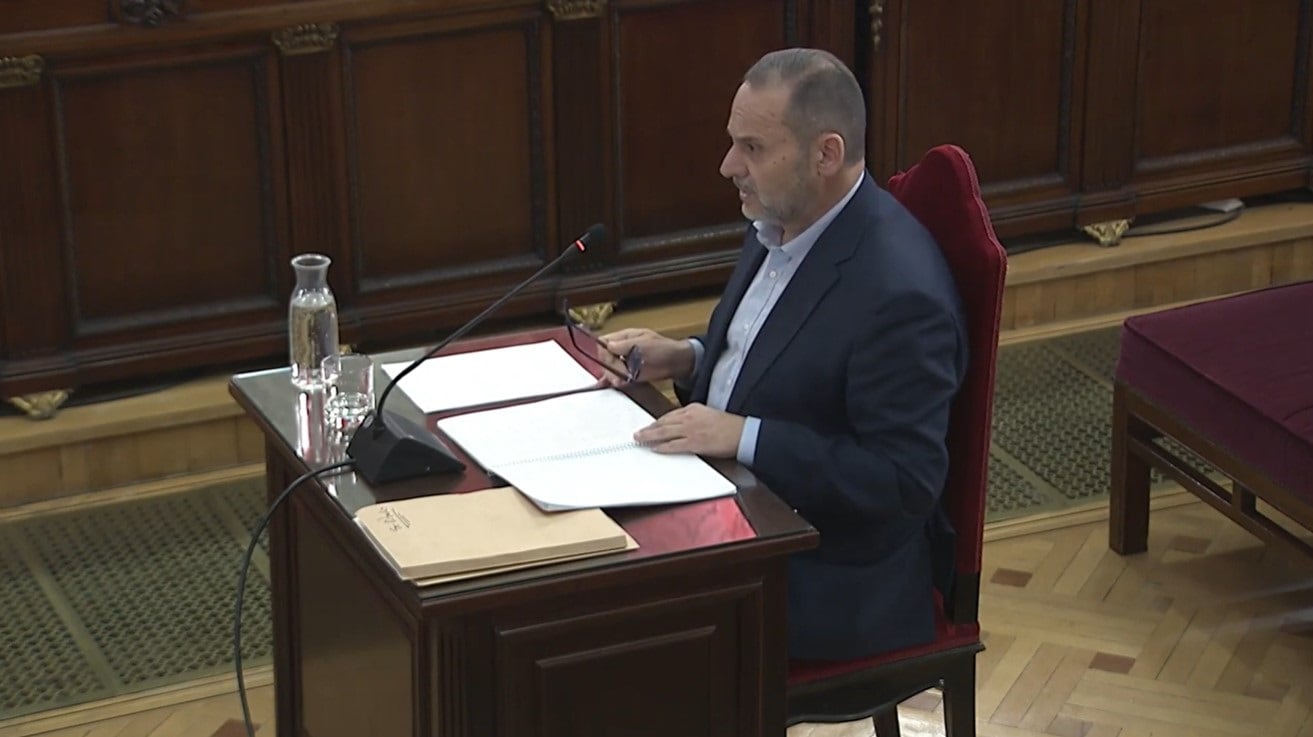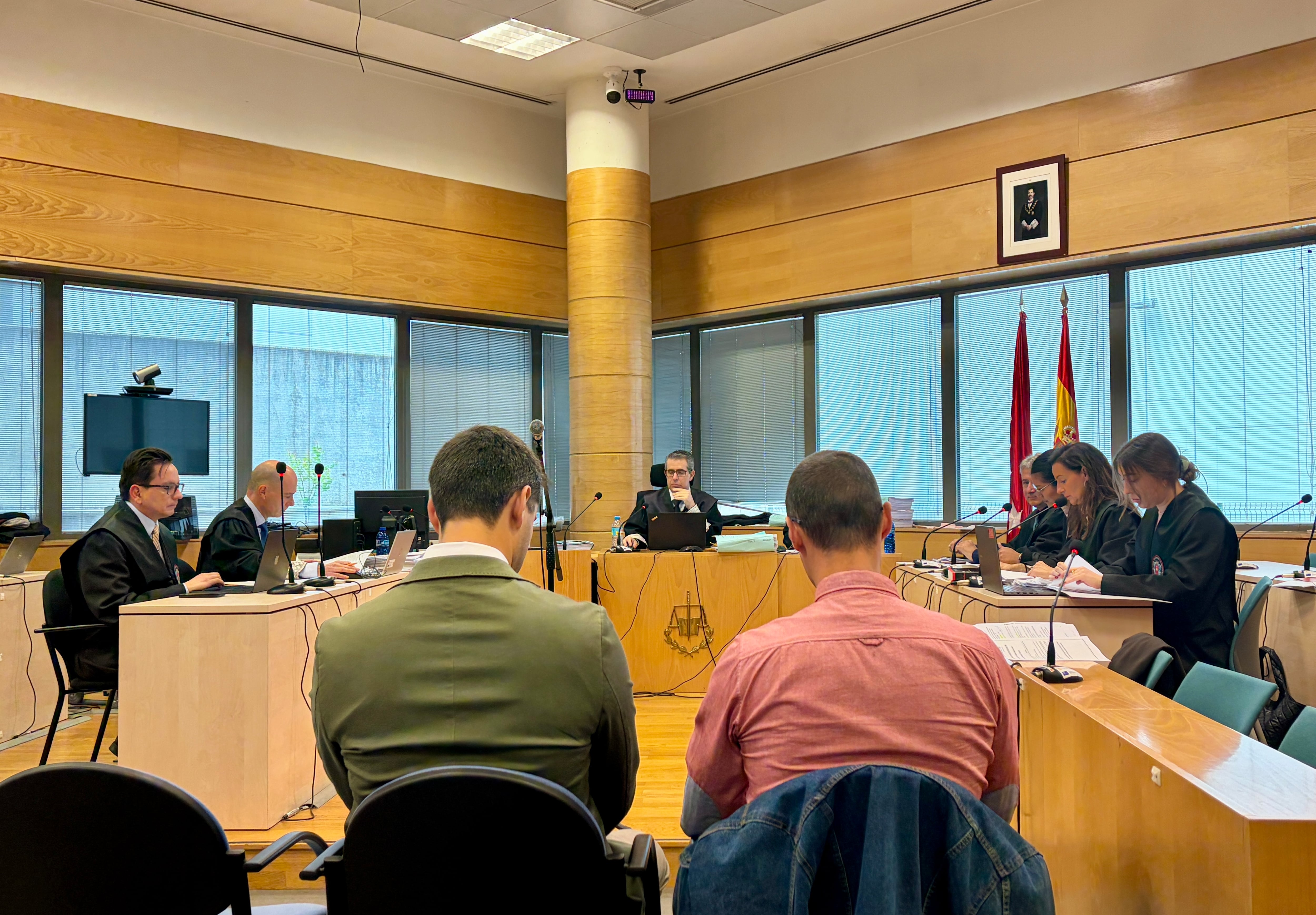

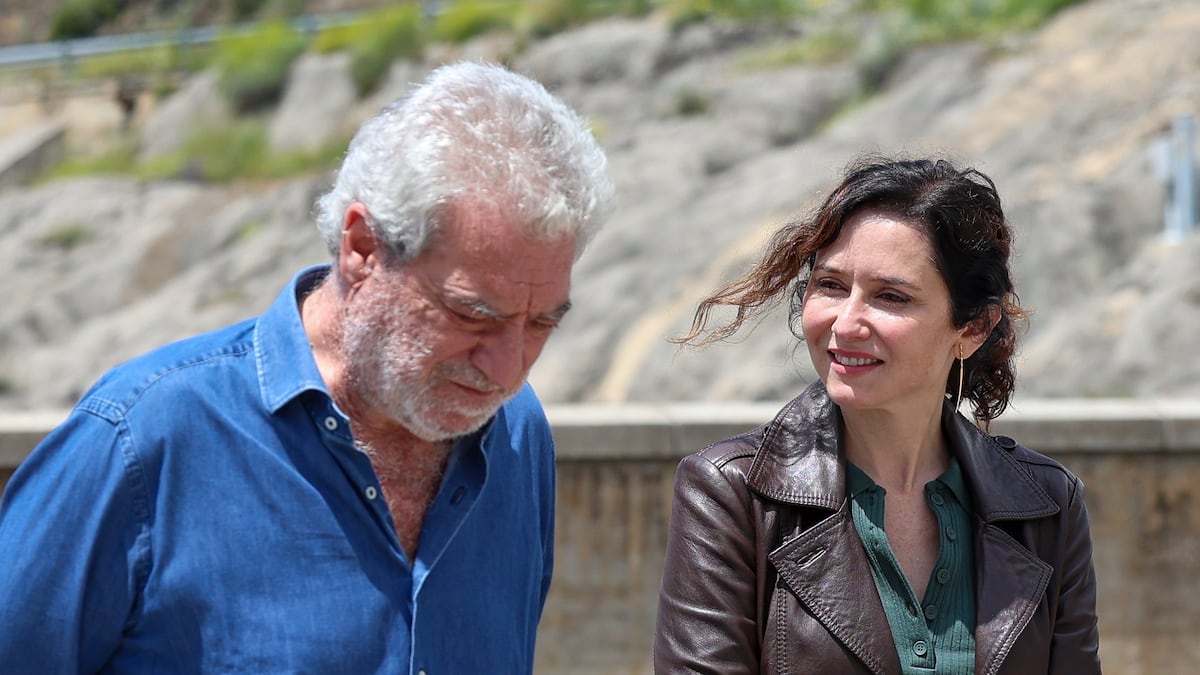
The Provincial Court of Madrid has forced a court in the capital to investigate Miguel Ángel Rodríguez, Isabel Díaz Ayuso’s chief of staff, for leaking data from two EL PAÍS journalists in retaliation for them working near the Madrid president’s home in the case of tax fraud affecting her partner, Alberto González Amador. The 25th Court of Instruction rejected in March of last year the complaint registered by the PSOE and this newspaper against Rodríguez, but, in an order issued on February 20, the Court ordered the reopening of the case considering that “there are reasons to initiate an investigation” to clarify whether Ayuso’s main advisor committed a crime of revealing secrets of the article (article 197.1 of the Penal Code).
The events that the court will have to investigate occurred on March 19, 2024, when Miguel Ángel Rodríguez sent false information to the media with the intention of intimidating two EL PAÍS journalists by spreading their names and image, after a routine identification by the police in charge of the president’s security. The message distributed by the senior official of the Community falsely suggested criminal conduct by these editors, at a time when the regional president was questioned about her partner’s alleged tax fraud.
The two reporters were identified by a police officer when they were trying to verify the evidence about an alleged illegal work in the apartment where González Amador and the Madrid leader live. In his message, Rodríguez provided the name and surname of the two EL PAÍS journalists and an overhead photo of both while they were doing their work. He assured that they had been “harassing the president’s neighbors, including underage girls, in a form of harassment that is common in dictatorships.”
“Everything has been reported to the National Police, but the Government delegate will protect these actions,” Rodríguez continued, adding: “The Government delegate does not want to put permanent 24-hour surveillance in the president’s house, which is an anomaly. Furthermore, employees of everyday Hooded men tried to access the president’s house. This intimidation has never been seen in democracy.” This accusation was denied by this media.
Various media online They published that information with the photo, the data and without any verification. Rodríguez later admitted to this newspaper that he had been the one who had distributed the information. “It’s a personal conversation. It’s not a Community account,” he said. Days later, in an interview with The WorldRodríguez added: “Be careful: I revealed my identity to 18 people. Nothing more.”
In the order issued now, three judges of the National Court consider that the facts may constitute a crime. In their resolution, the judges not only point to the chief of staff but also to the police officers who, allegedly, sent the reporters’ data to him. The court recalls that article 5.5 of the Law on State Security Bodies and Forces (Law 2/1986) establishes that the members of said bodies must maintain strict secrecy with respect to all information that they know due to or on the occasion of the performance of their duties. “Therefore, the journalists’ data that a police officer initially received had an undoubted confidential nature and for this reason, it must be investigated whether there was a criminal offense in their disclosure.”
However, the Court only urges the court to continue the investigations against the chief of staff, who is the person against whom the complaint was directed. “It is pertinent to find out how, when and why the journalists’ data reached the defendant and whether he actually disclosed it,” states the Court, which orders the judge to carry out the procedures she considers to investigate the possible commission of a crime of revealing secrets by Rodríguez.