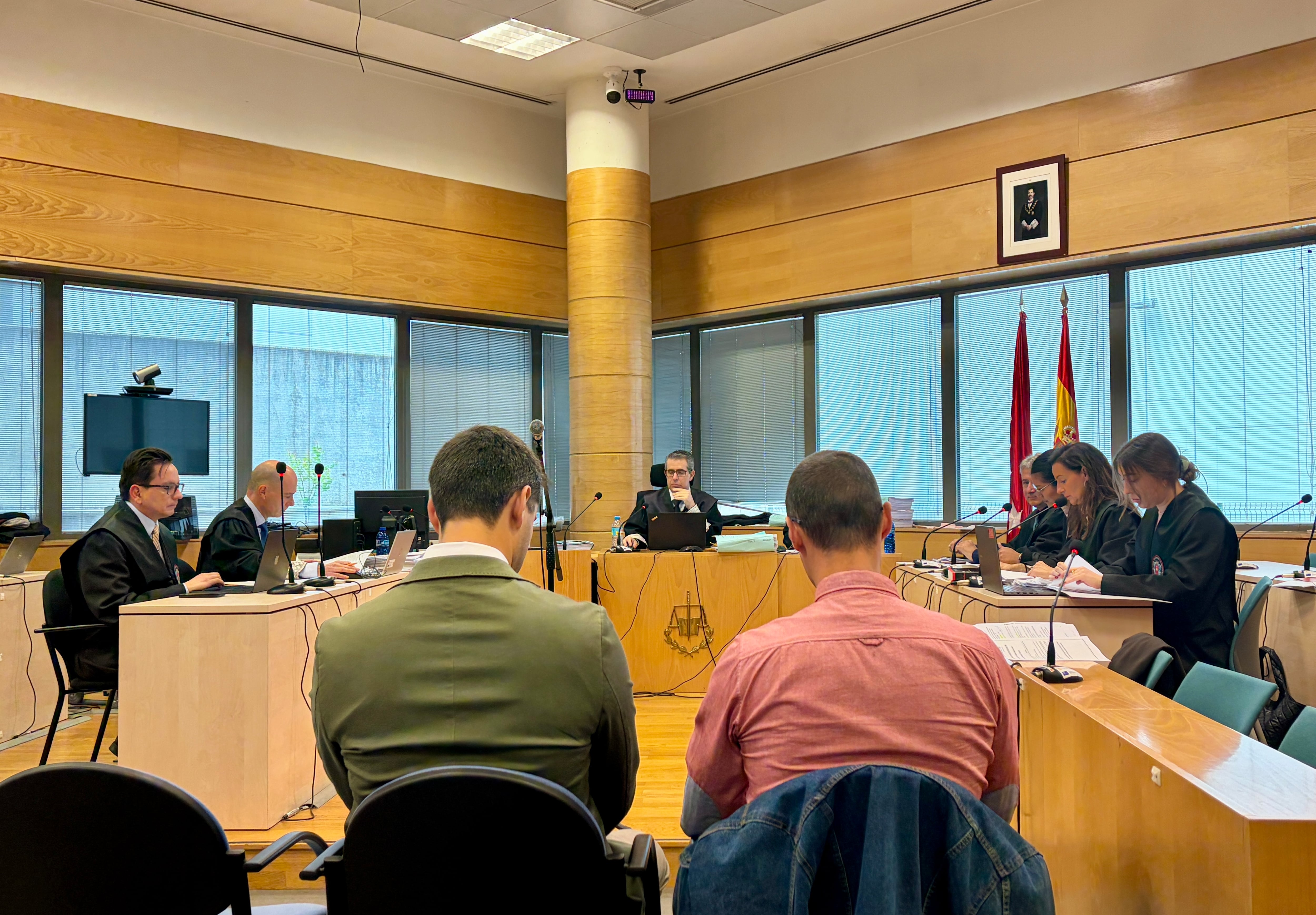



Lukewarm coffee, circles around the eyes and bad air in the room: When the works council and HR are negotiating company agreements, it can get late – especially when it comes to drastic issues such as workforce reductions or restructuring. This makes it all the more important to have a clear, realistic plan and to pursue it – as far as the circumstances allow. Thorough preparation is therefore the be-all and end-all. What is important for HR?
Find the right addressee
A central initial question that employers should ask themselves well before the actual negotiations is about the responsible works council. What may sound formalistic has solid reasons: if the wrong committee is involved, this can later lead to the ineffectiveness of measures and agreements that have already been decided. This applies to individual personnel measures – such as hiring, transfers, terminations – as well as more far-reaching matters.
When it comes to operational changes, it can also happen that several works councils are on board: “Even in overarching projects where the general works council is responsible for negotiating the balance of interests, the (local) works council will usually be responsible for negotiating a social plan,” say Roman Christian Kies and Benjamin Münnich from CMS Hasche Sigle in the law firm’s blog.