




Sevillian businessman Antonio JL feared so much for his life that he left his last trip to the Dominican Republic well tied up. Before embarking on a flight to the destination where he usually spent time, interspersed with his residence in Dos Hermanas, he sent audios to those around him in which he expressed this fear and documentation about the financial procedures he was going to carry out on the trip. He wasn’t wrong. On September 21, 2025, Antonio was found dead with a shot to the head in Damajagua, a town in the Dominican province of Valverde. Six months after the event, the police of the Caribbean country have arrested the six people allegedly involved in the crime. Among them is his wife, suspected of being the intellectual author of a contract murder.
They were so clear that the circumstances of the businessman’s death were “disturbing and unclear” that people from Antonio’s closest environment went to the Cádiz police station the same month that news of his murder became known, according to the National Police in a statement. The evidence provided opened a path of collaboration between the Judicial Police of that police station and the investigators of the National Police of the Dominican Republic who were directing the investigations, after finding the body of the businessman with a fatal shot to the head inside a vehicle.
Antonio, a 59-year-old businessman who ran a nursery in Dos Hermanas, was in the process of separating from his wife, a woman of Dominican nationality with whom he had “important economic and property matters,” as explained by the Spanish police, pending resolution. The Sevillian had to go to the Dominican Republic to carry out procedures aimed at recovering a company and part of his assets, in addition to some procedures before the consulate that his wife had to carry out. But before going, fearful that something would go wrong, he left documentation of that entire operation with those closest to him.
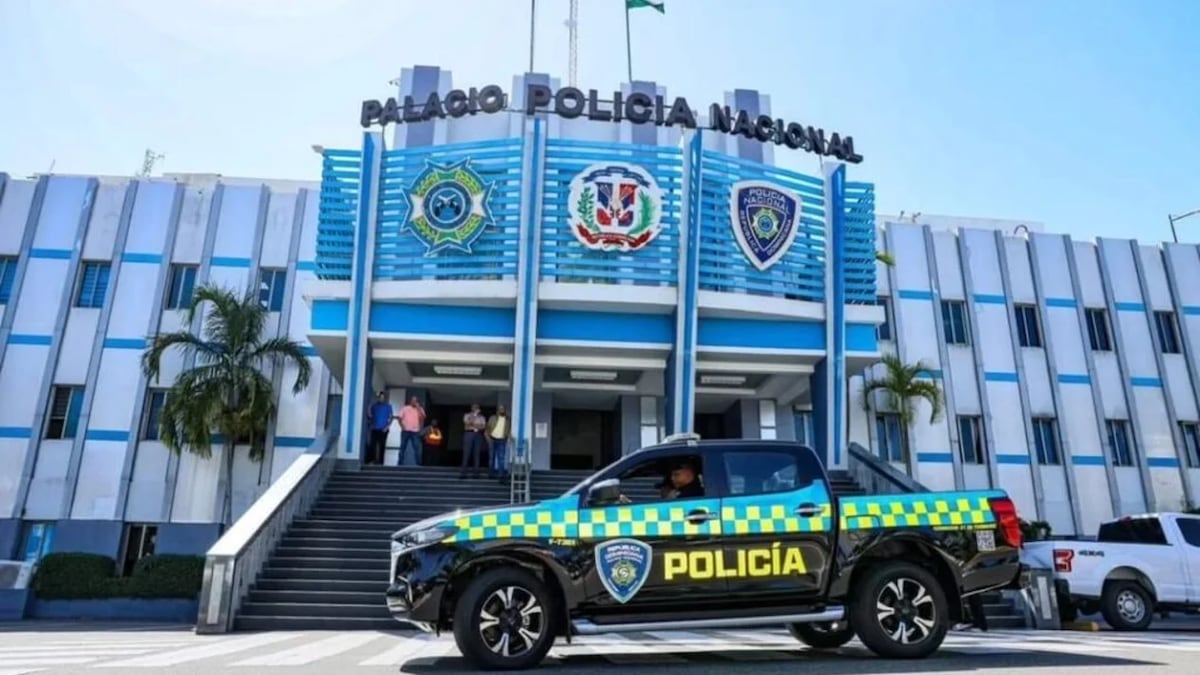
All this evidence, added to some audios recorded by the businessman himself in which he verbalized his concern for his personal safety and the risk to his life, ended up in the hands of the Cádiz investigators, after the formalization of the complaint. The “seriousness of the information provided”, as explained by the Spanish police, caused the agents of the Cadiz Judicial Police to contact the Dominican authorities, through the Spanish Interior attaché in the Caribbean country, in the so-called operation Squad.
The evidence provided by Antonio while he was alive and the data collected by the Central Investigation Directorate (DICRIM) of the Dominican National Police ended up supporting the hypothesis that the Sevillian’s death was a premeditated murder. The wife allegedly acted as the intellectual author of the event and coordinator of a plan in which she turned to several people in her immediate environment who, in turn, acted as intermediaries to locate those who carried out the murder.
One of those involved contributed part of the money agreed to commit the crime and promised to give the rest when the homicide was completed. Then, an intermediary recruited the material author, a man who had the confidence of the deceased. That made the businessman not suspicious when the hitman got into his vehicle with him and tricked him into an unpopulated area in Damajagua, where he fatally shot him in the head.
After the commissioned crime, the weapon ended up back in the possession of the intermediary who coordinated the execution and, later, changed hands to a third party involved, who hid it in his home to prevent the police from finding it during a possible search. However, the agents finally found the gun during the searches. The ballistic analyzes of the scientific police confirmed the coincidence with the casings that were collected at the scene of the event.
In total, the operation has resulted in the arrest of six people. All of them are considered involved in the planning, execution and cover-up of the murder. The case is based on various evidence collected during the investigation, with the analysis of surveillance cameras or the documentation provided by people close to the businessman at the Cádiz police station. For the Spanish National Police, the investigation is an example of “the importance of international cooperation between police forces to clarify a crime that initially presented multiple unknowns.”
